


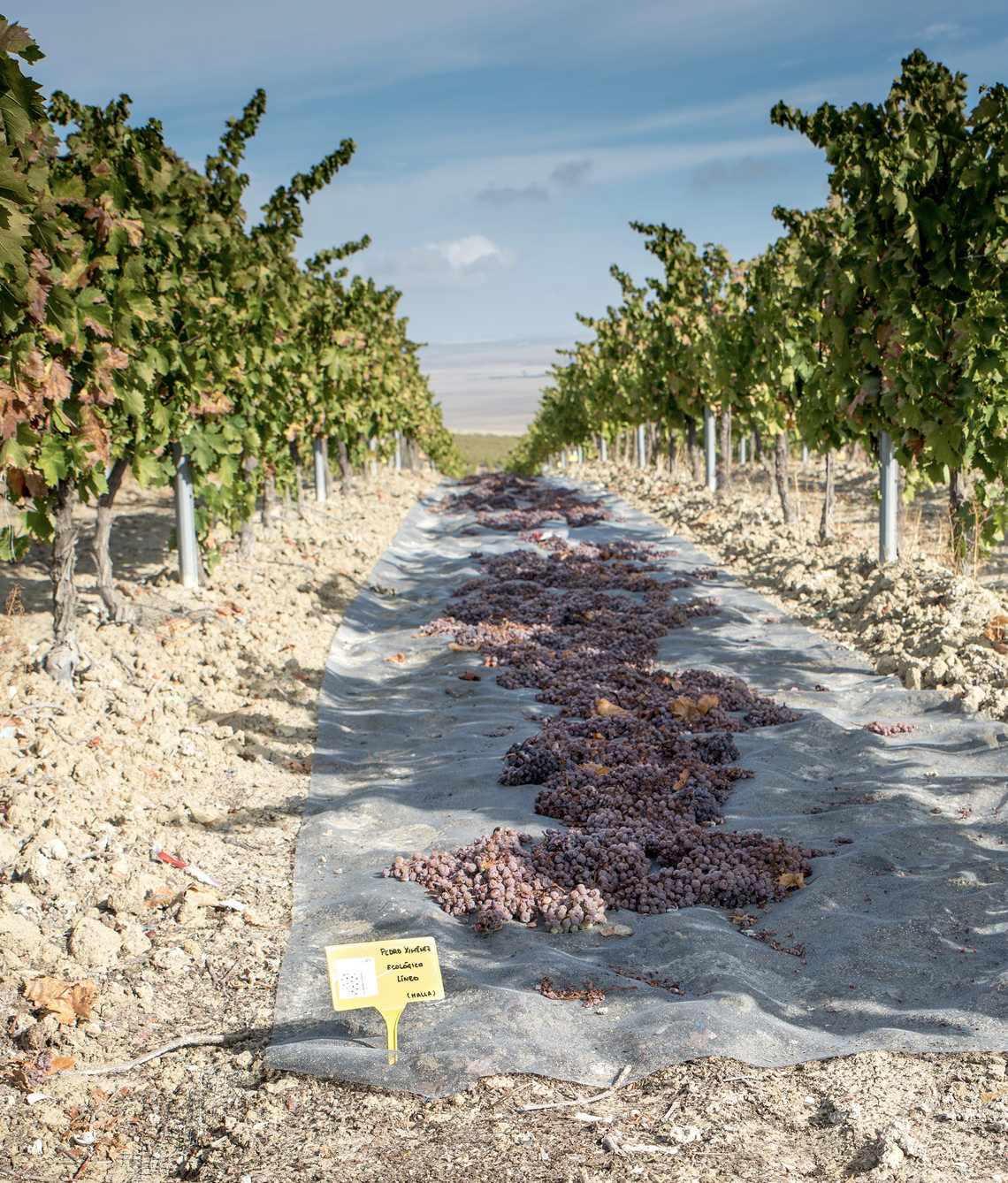
The Winery possesses a total of 35 hectares of Pedro Ximénez in the Añina and Carrascal pagos, of which 28 are under conventional cultivation and 7 are organic.
In 2017, Williams & Humbert decided to commit to the cultivation of Pedro Ximénez, a variety in short supply within the Marco de Jerez, and in 2022 it took a further step by introducing the organic cultivation of this grape in its Añina and Carrascal pagos.
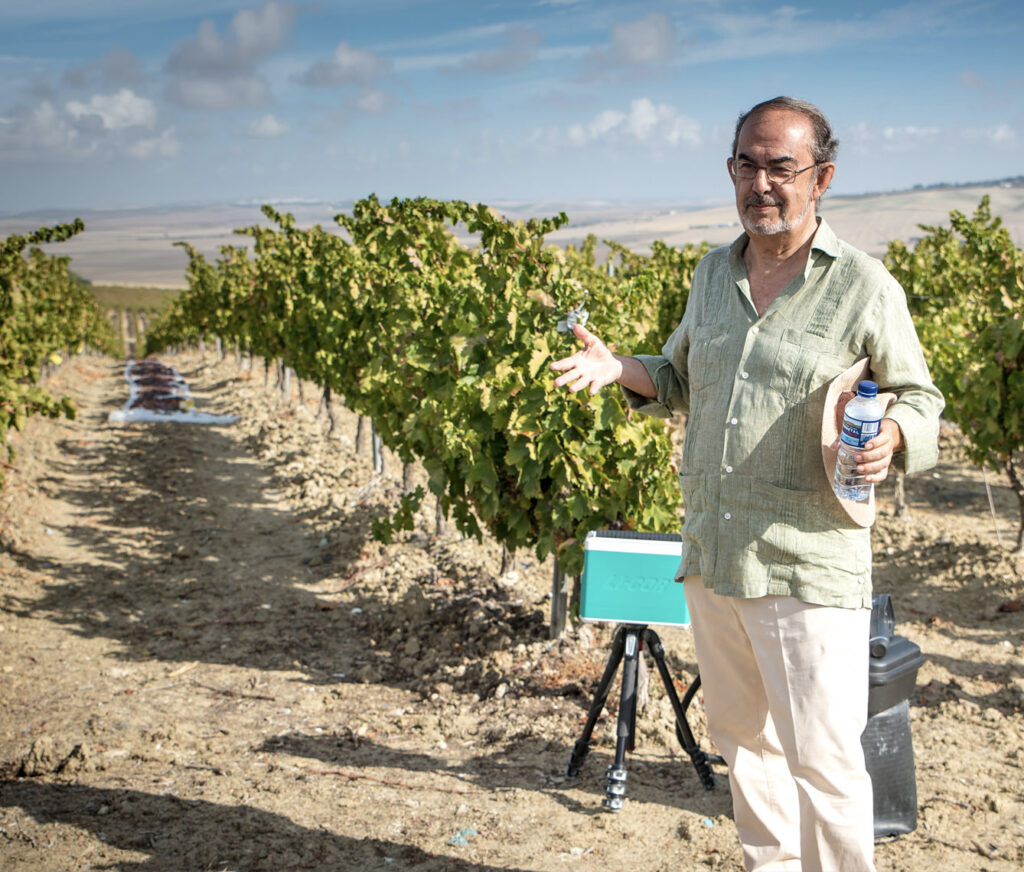
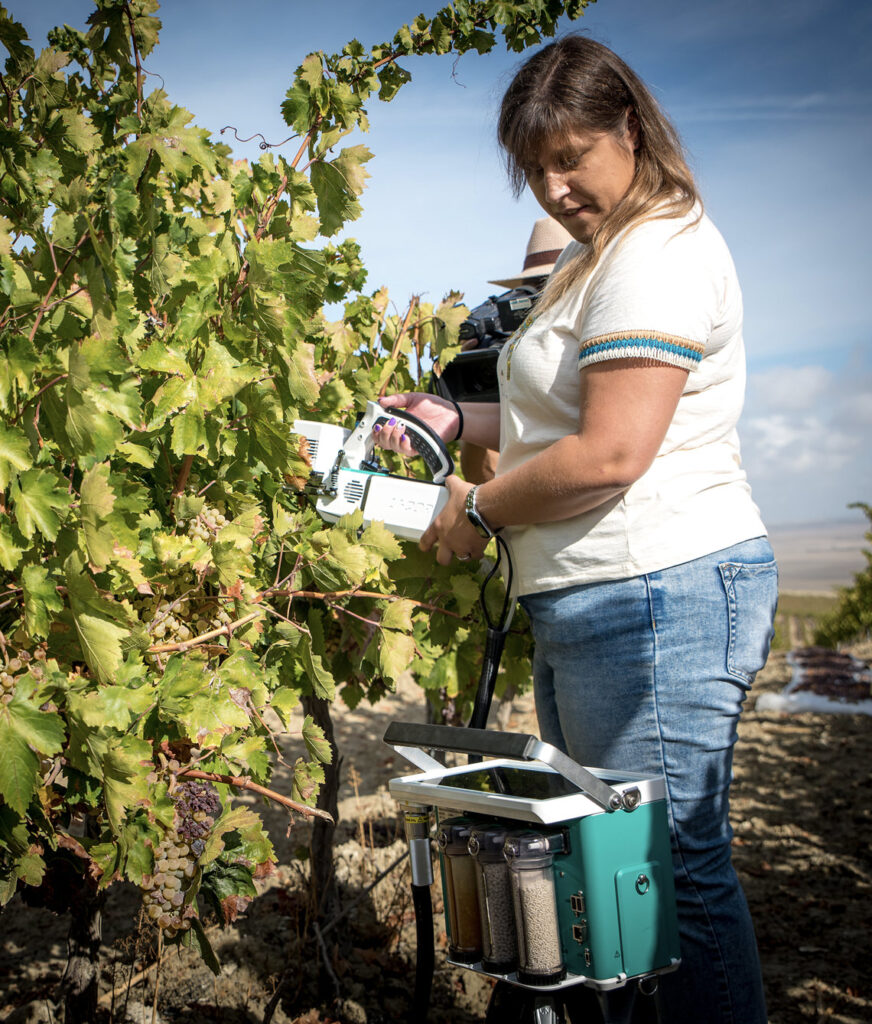
With the objective of promoting the cultivation of the Pedro Ximénez grape and contributing to the expansion of the currently insufficient surface area dedicated to this variety in the Marco de Jerez, Williams & Humbert joined an innovative project in 2022 developed by the ‘INVITEC-PX’ operational group. This project involved the participation of the Jerez Control Board, the Provincial Council of Cádiz, Ecovalia, and the University of Cádiz. One of the primary goals focused on the study of organic Pedro Ximénez cultivation in comparison with conventional methods. To this end, two plots located within the Williams & Humbert vineyards were utilized, facilitating the conduct of research trials. These two plots—3 hectares certified as organic and 2 hectares as conventional—shared the same agro-climatic conditions, ensuring that the study results were highly representative.
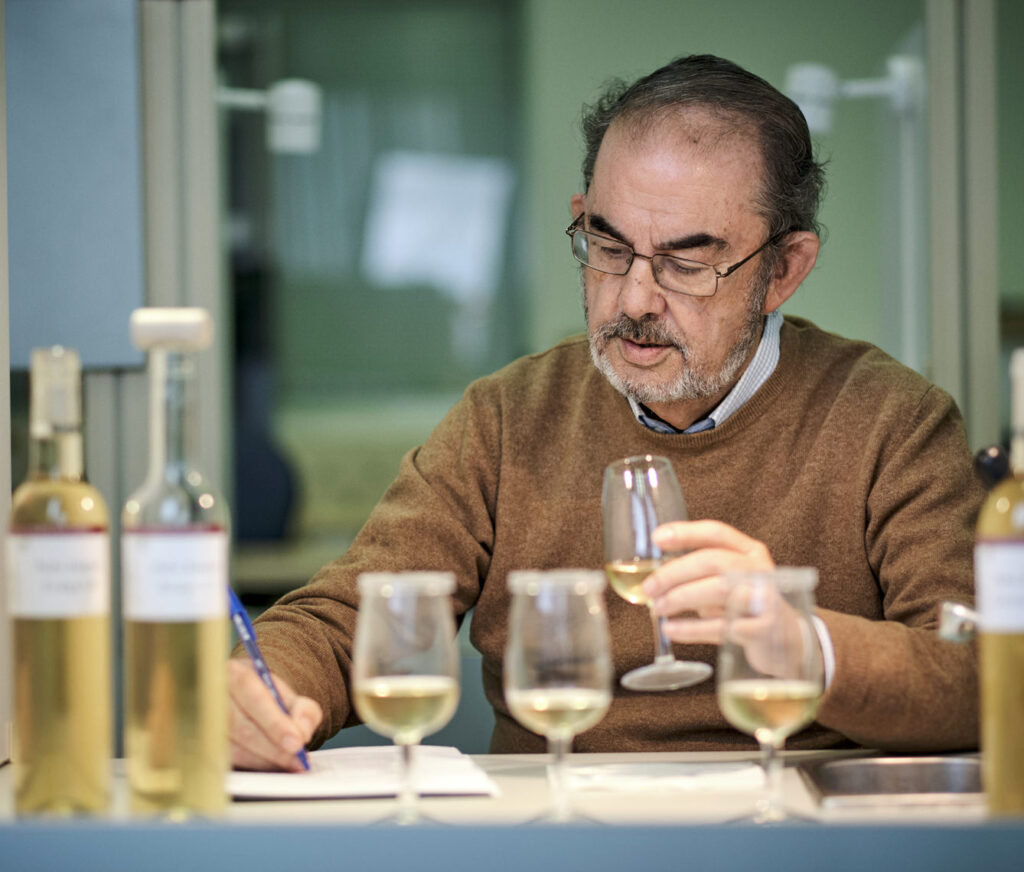
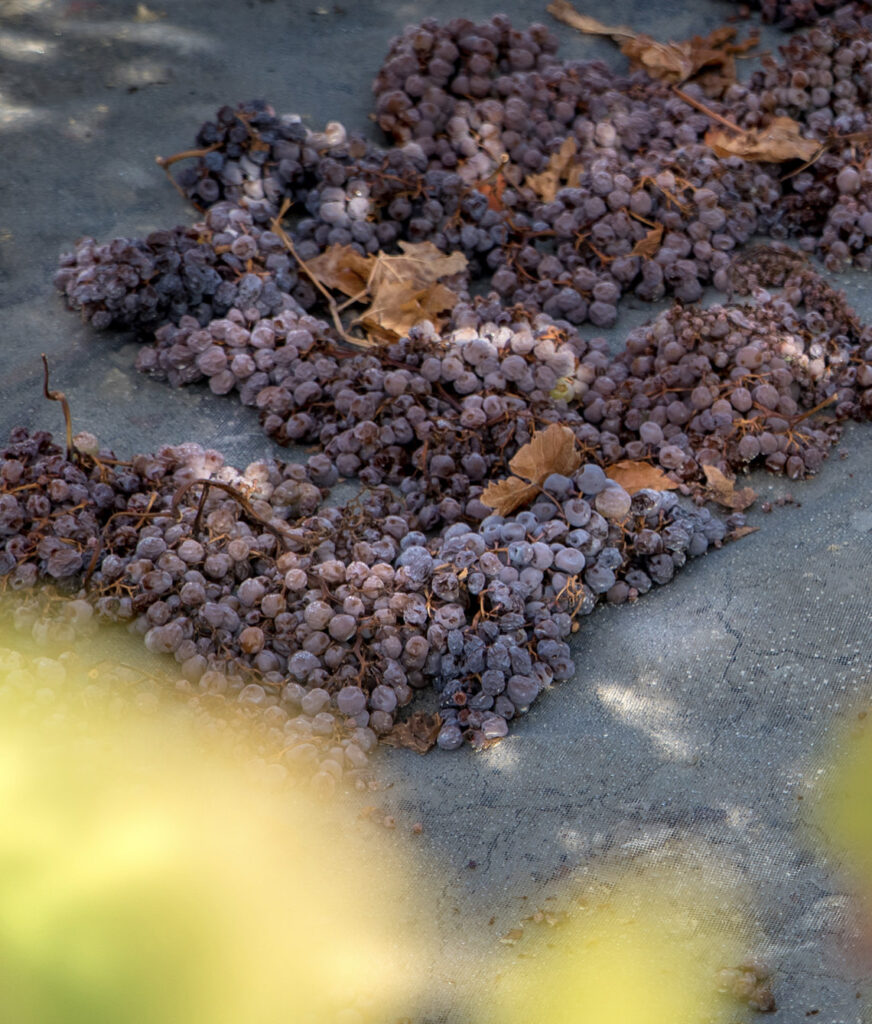
In each of these plots, physiological, agronomic, and oenological parameters were monitored to establish the viability and profitability of organic cultivation versus conventional methods in the Marco de Jerez. Furthermore, the grapes harvested during the 2022 vintage were sun-dried in the field and transferred to the Institute of Viticultural and Agri-food Research (IVAGRO) at the University of Cádiz for the production of various sweet wines. Researchers from the UCA Food Engineering and Technology Research Group (AGR-203) carried out different trials in the field (physiological, agronomic, and sun-drying studies) and in the winery (oenological characterization and winemaking) to evaluate the response of the Pedro Ximénez variety to organic cultivation and its oenological potential for creating new types of sweet wines in the Marco de Jerez.
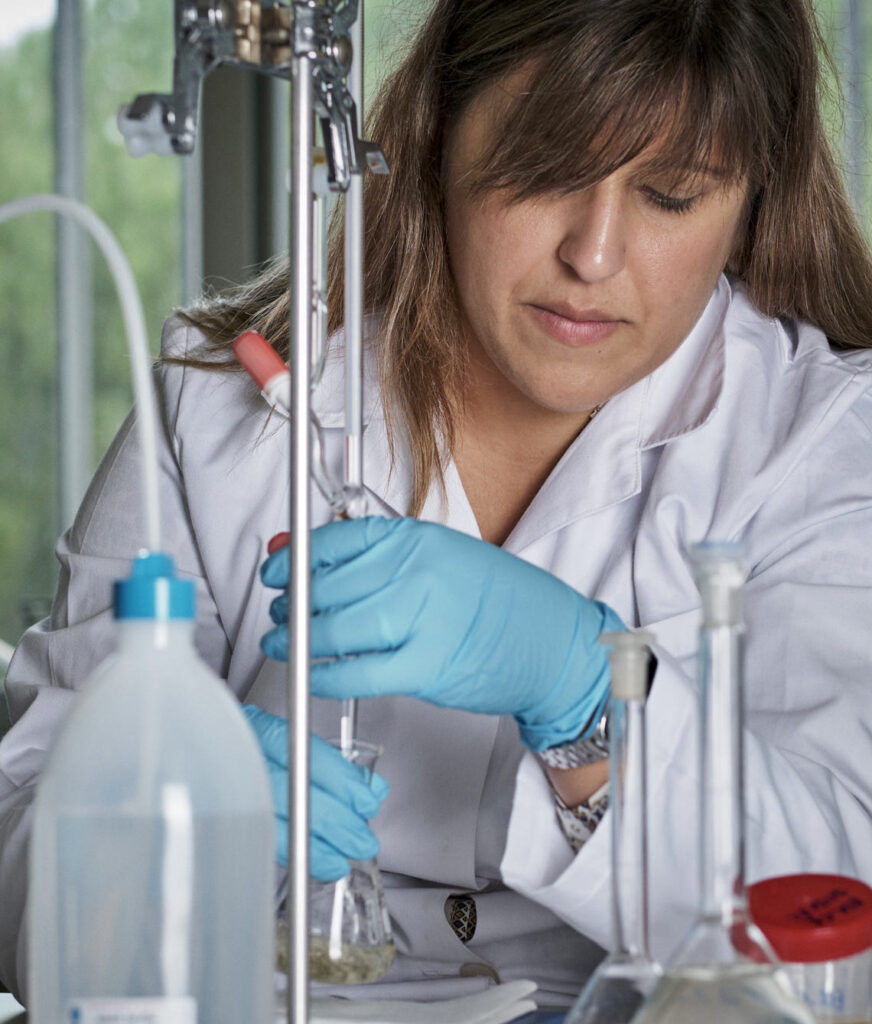
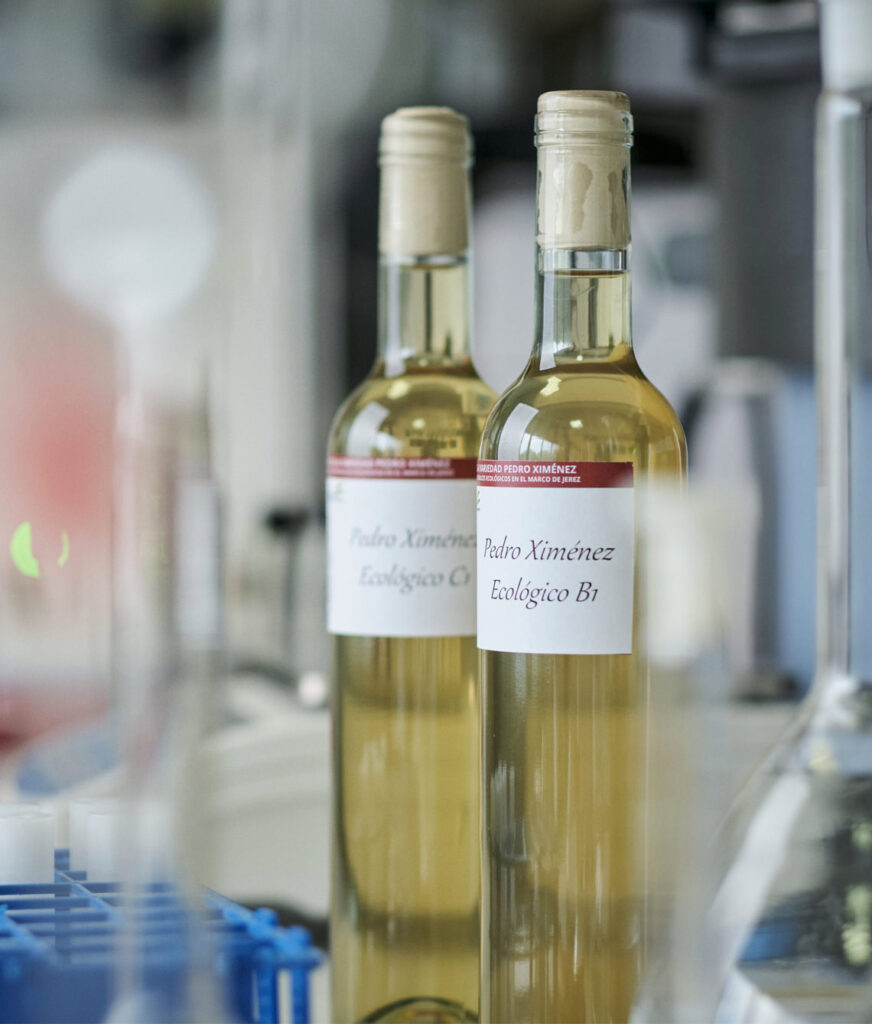
This project has contributed to the development of a more environmentally friendly wine industry, as well as to the diversification of production with new oenological products, such as these new organic sweet wines, which are naturally balanced in acidity and sugars without the need for traditional fortification.
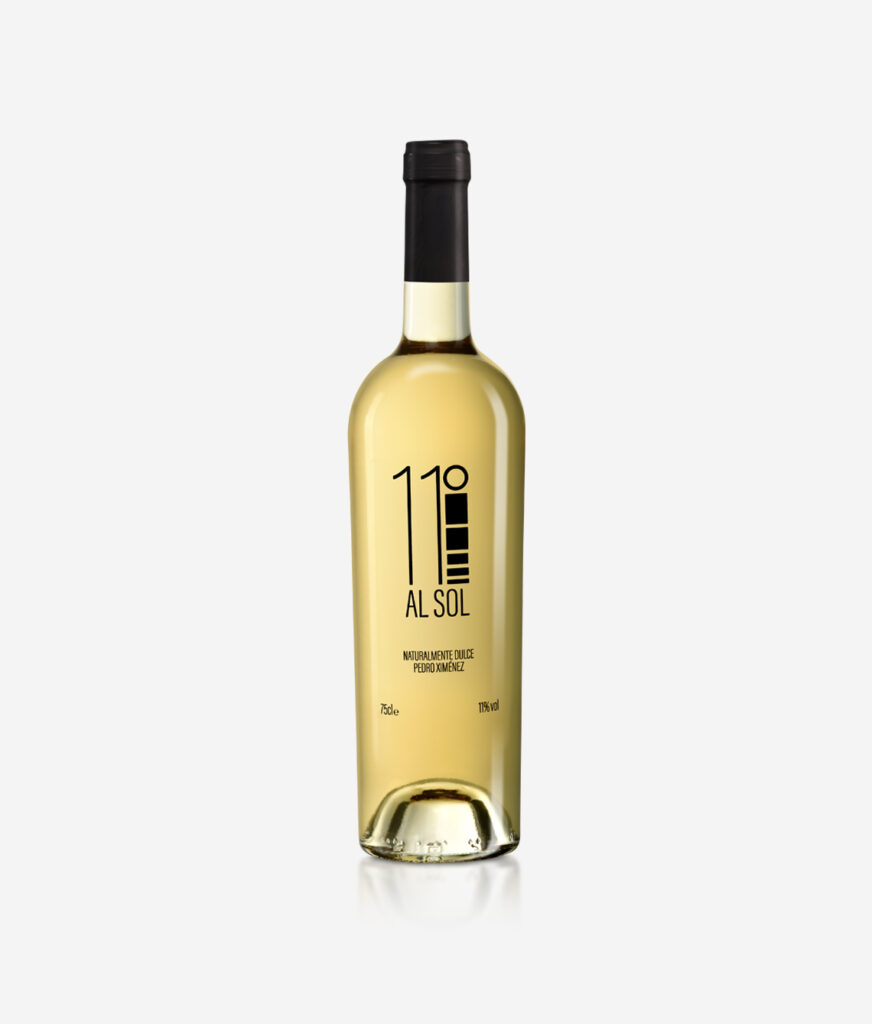
A clear example of the results of this research is Pedro Ximénez “Once al Sol”, a still, unfortified, naturally sweet wine that reflects the care and innovation of the Williams & Humbert organic project.